

On May 5 and 6, 2026, Vilnius hosted one of the most substantive cross-sector gatherings in recent Lithuanian agrifood memory. Here is what happened, who was there, and why it mattered.
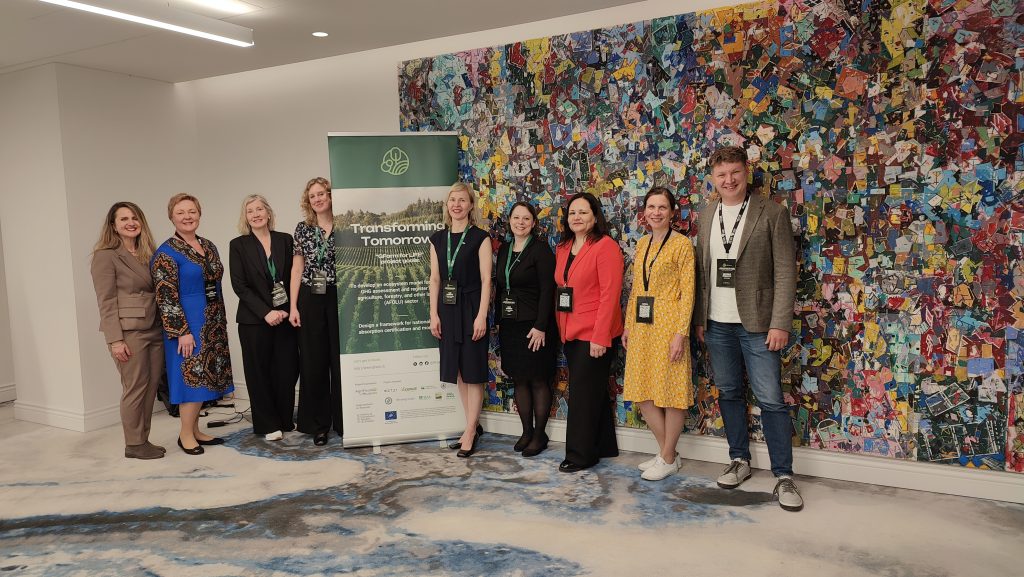
There are conferences where people talk about change, and there are conferences where people who are actually making it happen sit down together. The two-day event held at the Pacai Conference Hall on May 5th and at Mokslininkų str. 2A on May 6th was firmly the latter.
Organised by GFarm in collaboration with the Forest 4.0 project and hosted by Agrifood Lithuania, the conference brought together policymakers, researchers, industry practitioners, and EU representatives under one clear ambition: to move beyond sectoral thinking and find practical, scalable pathways toward climate-neutral land use systems.
Day 1: From Policy to Practice
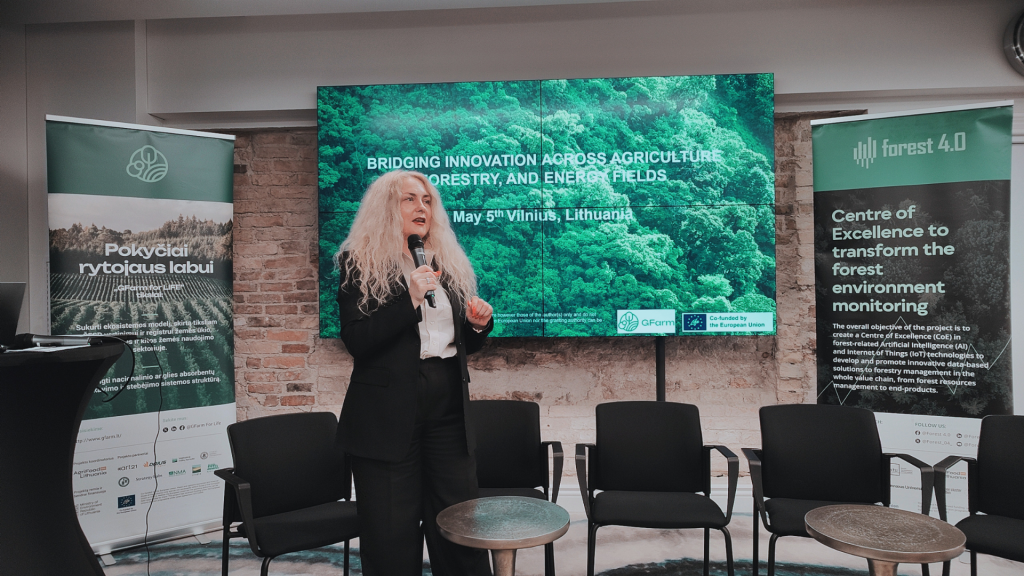
The morning opened with welcoming remarks from Kristina Šermukšnytė-Alešiūnienė, Chief Executive of Agrifood Lithuania, before Hana Mandelíková, Project Officer at CINEA, set the European context by outlining the priorities and funding opportunities under the LIFE Programme. It was a timely reminder that the work happening in Lithuanian fields and forests does not exist in isolation. It is part of a much larger European effort.
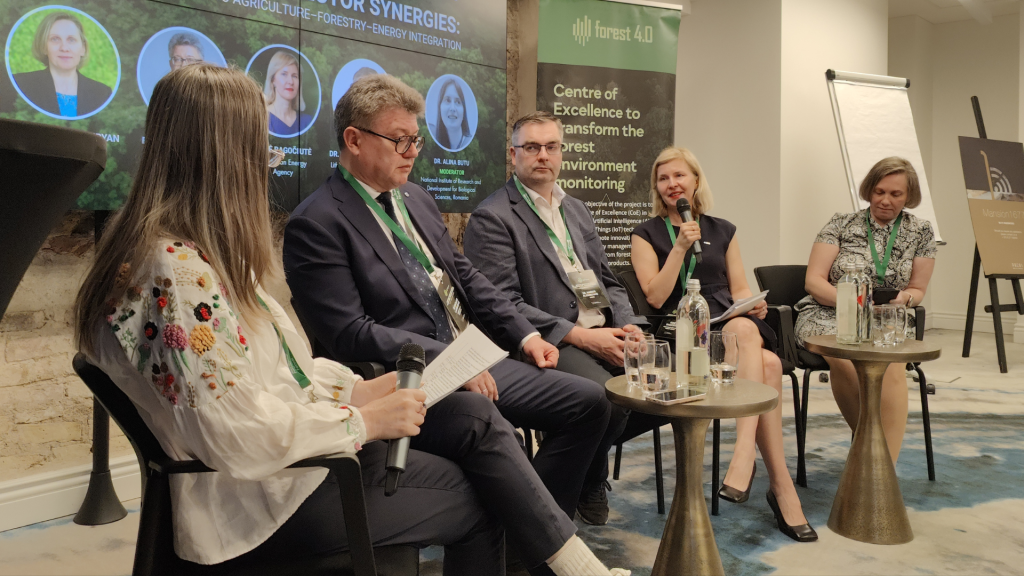
Dr. Alina Butu from Romania’s National Institute of Research and Development for Biological Sciences followed with a presentation on advancing cross-sector solutions for climate-neutral land use, before the floor opened to one of the day’s most anticipated sessions: a panel discussion on enabling cross-sector synergies across agriculture, forestry, and energy. The panel brought together Dr. Audronė Ispiryan from Vytautas Magnus University, Remigijus Lapinskas of the Green Policy Institute, Agnė Bagočiūtė from the Lithuanian Energy Agency, and Dr. Marius Aleinikovas from the Lithuanian Research Centre for Agriculture and Forestry. The discussion was moderated by Dr. Alina Butu and covered governance, regulatory frameworks, and the institutional conditions needed to make real integration possible.
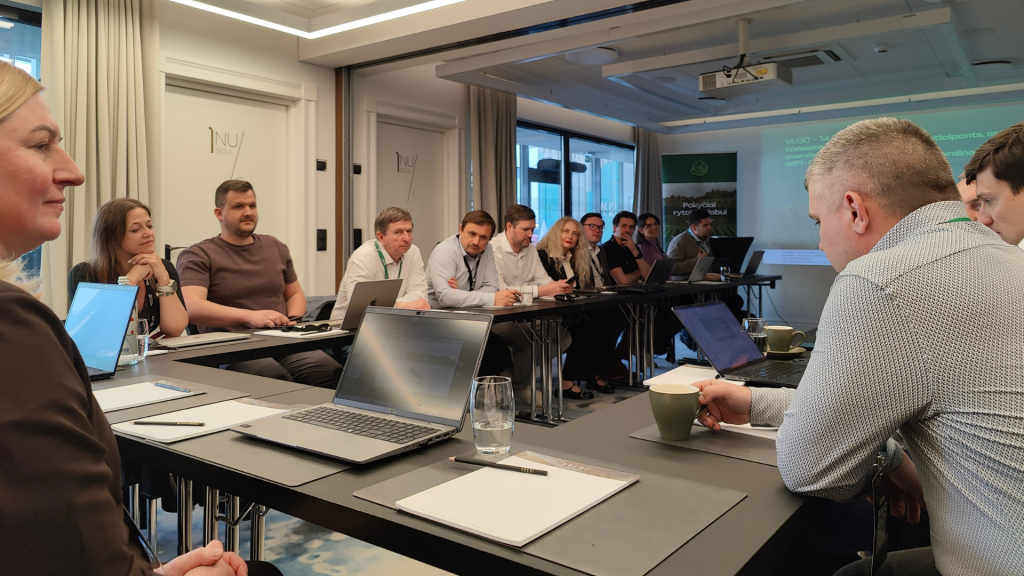
After a coffee break, Romualdas Lapickis of AFL presented the results of the GFarm project itself, walking the room through the tools developed, the data gathered, and the honest lessons learned from years of carbon farming implementation on the ground. It was one of the most grounded presentations of the day.
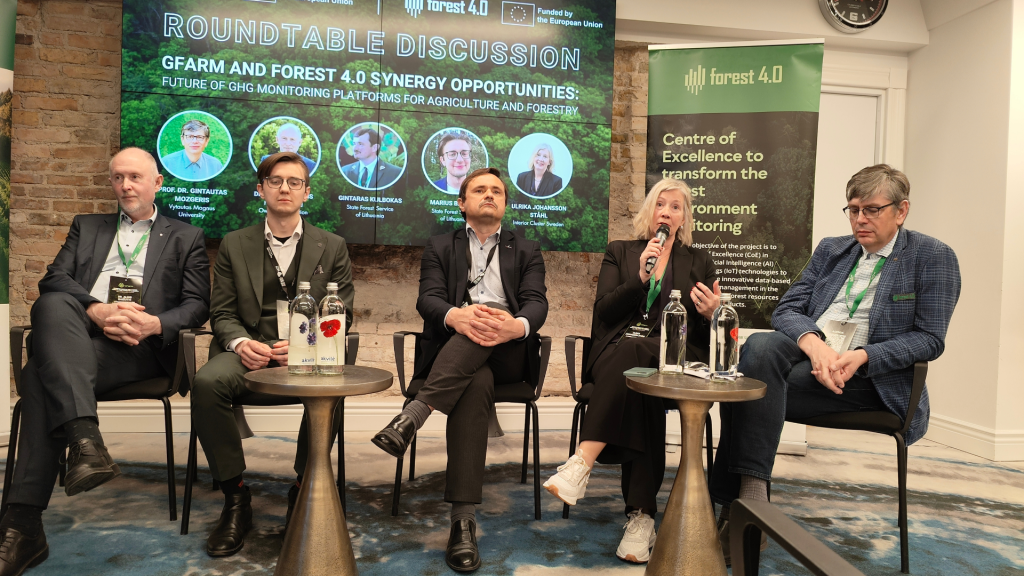
That was followed by a roundtable on the synergy opportunities between GFarm and Forest 4.0, specifically on the future of shared GHG monitoring platforms for agriculture and forestry. The roundtable featured Prof. Dr. Gintautas Mozgeris from Vytautas Magnus University, Dr. Algis Gaižutis from FAOL, Gintaras Kulbokas and Marius Balčius from the State Forest Service of Lithuania, and Ulrika Johansson Ståhl from Interior Cluster Sweden. The conversation was candid and forward-looking, examining how interoperable digital tools can serve both sectors rather than duplicating effort.
Dr. Audronė Ispiryan closed the pre-lunch session with a presentation on agroecological orchard systems integrating biodiversity, sustainability, and socio-economic value.
The afternoon shifted toward energy. Agnė Stonienė, Acting Director of the Energy Efficiency Competence Center, opened with a focused look at how energy efficiency translates directly into competitiveness for farmers. This fed into a broader panel discussion on driving the energy transition in rural systems, featuring Jolanta Zubkauskienė from the Lithuanian Innovation Center, Rolandas Dockevičius, an expert in additive manufacturing and electric propulsion, and Audronė Janulaitytė, Acting Head of the GreenTech Hub at the Innovation Agency. The afternoon made clear that renewable energy in farming is no longer a future conversation. It is a present one.
Parallel to the afternoon programme, the official GFarm Final Monitoring Visit began with Aušra Palubinskienė from ELMEN and Hana Mandelíková from CINEA. A milestone moment for the project and everyone who has contributed to it.
Day 2: Reflection and Review
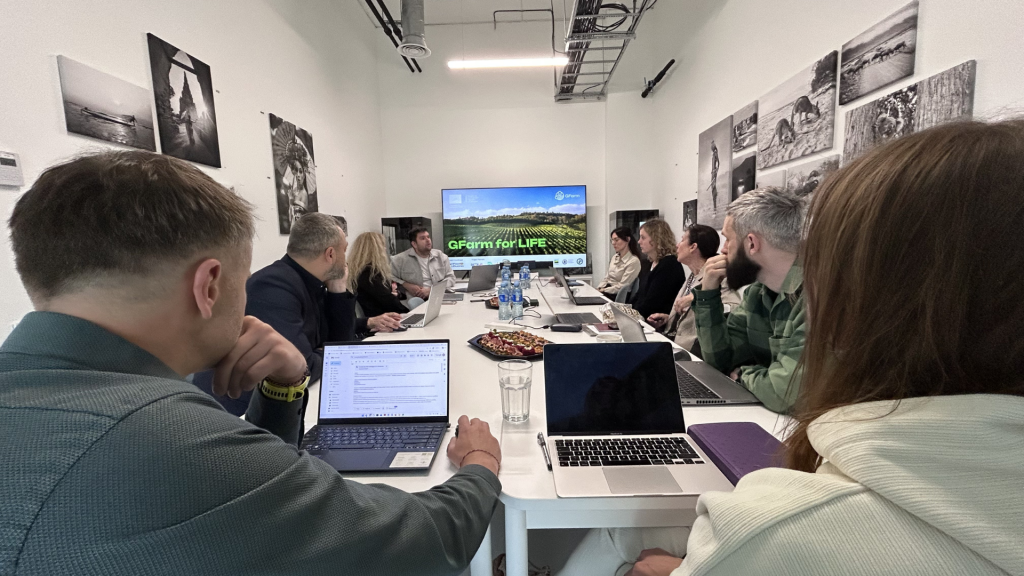
The second day was dedicated entirely to the GFarm consortium’s internal review. Partners gathered to go through the project’s achievements in detail, assess its real-world impact, and discuss what the past years of implementation have genuinely taught them. These are the conversations that rarely make it into press releases but are essential for any project that wants its results to matter beyond its own lifetime.
What the Two Days Left Behind
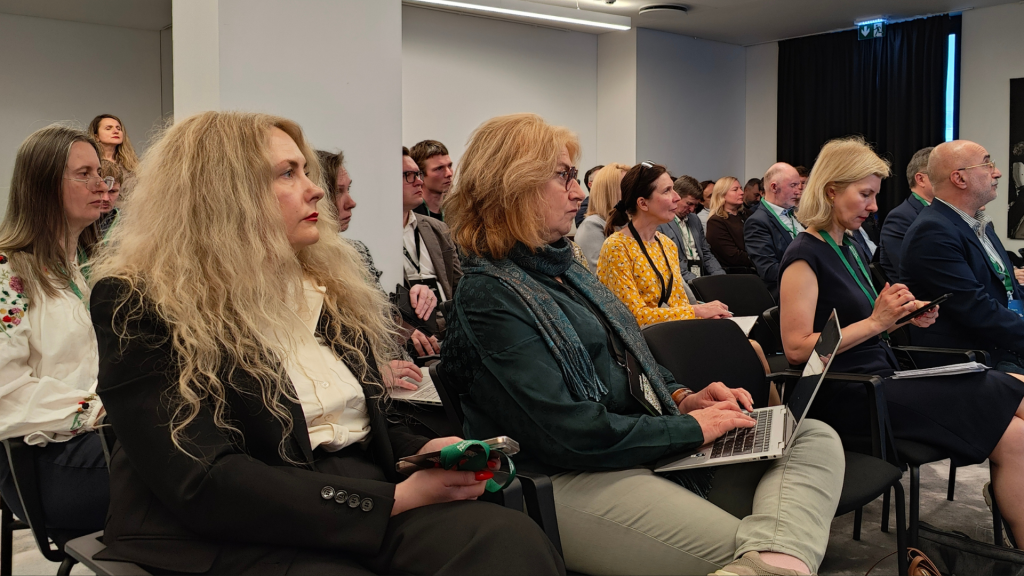
The outcomes of the conference go beyond the notes taken and the presentations delivered. Across two days, the discussions produced clearer alignment between EU policy objectives and what practitioners actually need on the ground, concrete ideas for scaling cross-sector solutions, and a stronger network of people who now know each other by name rather than just by institution.
Perhaps most importantly, the event reinforced something GFarm has been demonstrating for years: that Lithuania has the people, the expertise, and the ambition to be a genuine European reference point for integrated, climate-smart land use.
Thank you to every speaker, partner, moderator, and participant who made these two days what they were.