GFarm for LIFE at AgriFood Forum 2024: Advancing Carbon Farming for a Sustainable Future
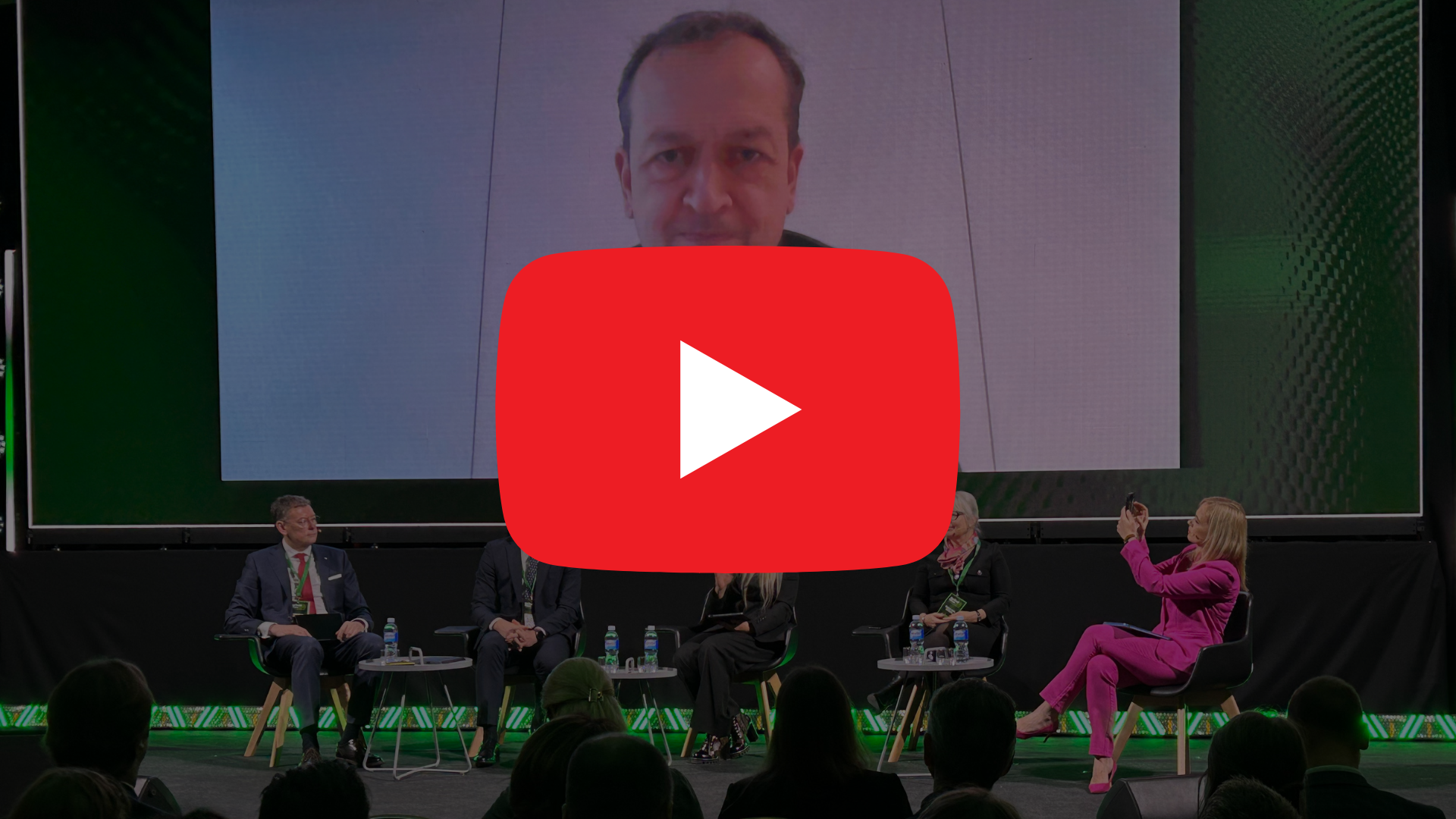
Yesterday, GFarm for LIFE actively participated in the prominent AgriFood Forum 2024, underscoring its commitment to developing robust carbon farming practices within Lithuania's agricultural sector. During the forum, themed "FIELD OF THE FUTURE: Rethinking AgriFood for Resilience and Sustainability," GFarm showcased its systematic approach to greenhouse gas (GHG) management in agriculture, forestry, and other land use (AFOLU) sectors. The project’s insights were pivotal in panel discussions focused on redefining carbon as a valuable asset in creating sustainable and resilient agrifood systems.
Strategic Policy Alignment and Regulatory Framework
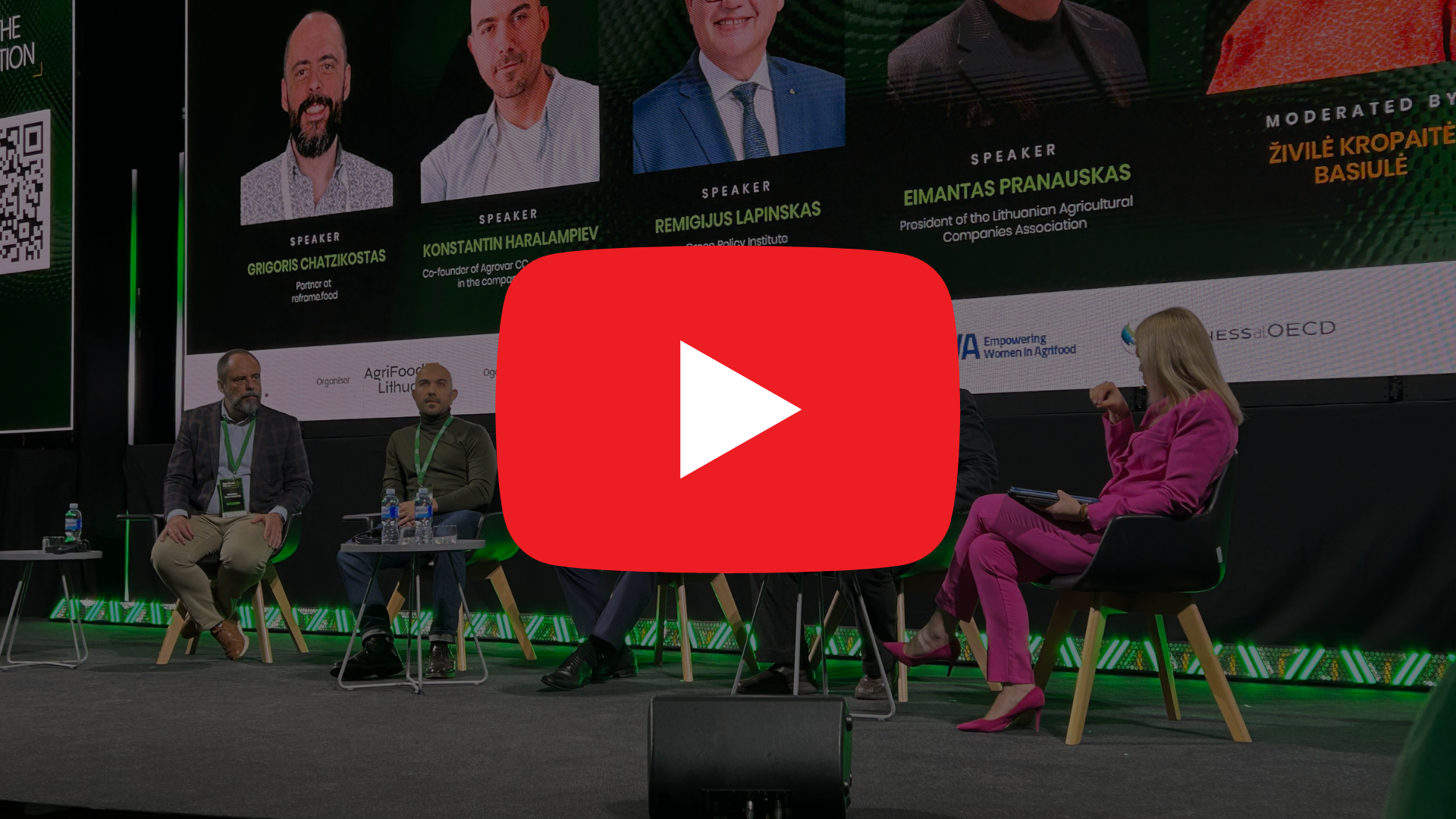
GFarm for LIFE stressed the necessity for clear, stable regulatory frameworks at both national and European Union levels. Panelist Remigijus Lapinskas, Director of the Green Policy Institute, emphasised the urgent need for transparent national registers, a European carbon removal registry, and stringent auditing mechanisms to verify and reward genuine carbon sequestration efforts accurately. Aligning closely with ongoing EU directives, GFarm's methodology presents a compelling model, effectively bridging policy and practice to meet Lithuania’s climate objectives.

Technological Innovations and Data-Driven Solutions
Representatives at the forum highlighted the critical role of technology and accurate data collection for successful carbon farming. Konstantin Haralampiev, Co-founder of Agrovar CC and a leading figure in the company’s carbon program, shared experiences from his enterprise, Agrovar CC, illustrating how data-driven insights help farmers transition towards regenerative practices. He emphasised that reliable data—such as soil analysis, climate information, and crop rotations—is crucial for making informed decisions, optimising soil health, and enhancing carbon sequestration. This emphasis aligns with GFarm’s objective to establish comprehensive databases and technological infrastructure essential for credible GHG monitoring and effective decision-making.

Building Trust and Multi-Stakeholder Collaboration
Discussions also revealed the importance of trust and collaboration across the agrifood value chain. Grigoris Chatzikostas, Partner at reframe.food, emphasized the significance of inclusive training and clear communication to both farmers and consumers. GFarm for LIFE echoed this sentiment, recognizing the importance of empowering stakeholders through education, transparent practices, and incentives. Building trust and engagement among farmers, policymakers, and the private sector remains central to GFarm’s strategy, ultimately driving effective and sustainable carbon management practices.

The AgriFood Forum 2024 served as an influential platform for GFarm for LIFE to present its holistic approach to carbon farming and GHG management. By advocating for robust regulatory frameworks, advanced technological solutions, and enhanced stakeholder collaboration, the project has reaffirmed its role in shaping sustainable agricultural practices. As Lithuania advances towards its climate goals, GFarm for LIFE continues to lead by example, providing essential tools and insights necessary for sustainable, resilient, and productive agrifood systems across Europe.
Watch the full discussion video

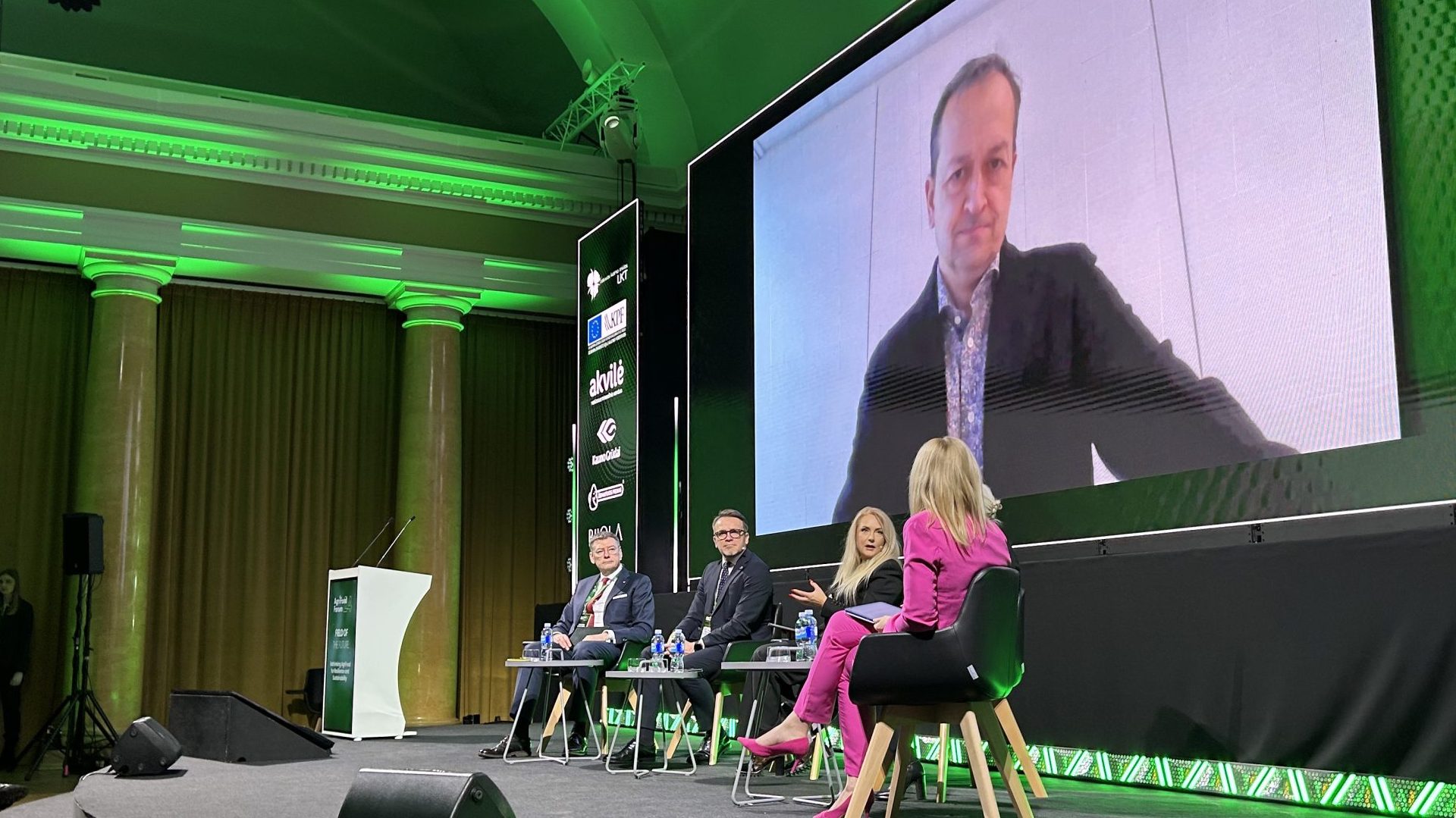
Christian Holzleitner at AgriFood Forum 2024: Building Europe's Climate-Neutral Agricultural Future
In his address yesterday at the AgriFood Forum 2024, Christian Holzleitner, Head of Unit for Land Economy and Carbon Removals at the European Commission's Directorate-General for Climate Action, emphasized Europe's ambitious climate neutrality goals for agriculture. He highlighted the importance of reducing emissions, promoting carbon removals, and creating suitable market conditions to reward farmers for sustainable practices.
Europe’s Climate-Neutral Ambition in Agriculture
Christian Holzleitner reiterated the EU's commitment to becoming climate-neutral by 2050, stressing that agriculture and forestry sectors play an essential role. According to him, achieving climate neutrality involves not only reducing agricultural emissions but also actively removing CO₂ from the atmosphere. He explained:
"We have this big target in 2050 to make Europe climate-neutral, so for this, we need to reduce the emissions also from agriculture. But we also need to get better to get CO₂ directly out of the air; we need to reduce the concentration of CO₂ in the air. There, agriculture and forestry can again play a key role because you can store carbon in your soils, in your forests, and in the products you produce out of it."
Christian Holzleitner emphasised the importance of sustainable management of agricultural products, including preventing food waste as a strategy to maintain stored carbon effectively.
Creating the Right Market Conditions for Sustainability
A critical element outlined by Christian Holzleitner was the European Commission’s role in creating favourable market conditions rather than directly prescribing innovations from Brussels:
"When doing climate policy, it's about setting the right incentives. So it's not us here in Brussels who do the innovation, who can tell others what to do—we always are very bad in that. But we need to set the right framework conditions. We need to make a good business case for those farmers and foresters who want to go into a more sustainable farming practice."
He further explained that while solutions already exist—such as agroforestry and rewetting of peatlands—the significant challenges remain in scaling up these solutions, financing investments, and rolling out new practices broadly across Europe.
Transitioning from Frameworks to Action
Addressing the prospect of drastic policy changes under the incoming European Commission, Christian Holzleitner clarified that the focus would instead be on evolutionary steps and practical implementations:
"Drastic changes are maybe not so much our business here; it's about the evolution that we can do. The challenge now, after we've built up a lot of the frameworks for climate, for environment, for the Green Deal in the previous mandate, is now about providing the financing and getting the market conditions right."
He emphasized that the priority would be translating frameworks into actionable and financially supported initiatives to foster real, on-the-ground innovation and sustainability.
Future of EU Agricultural Policy and Financing
In a follow-up comment on agricultural budgeting, Christian Holzleitner outlined the European Commission's approach to the future Common Agricultural Policy (CAP):
"This will be one of the big upcoming proposals of the new commission: our new EU budget, including the Common Agricultural Policy. We want to build on what we've done with the previous budget, to make it more result-based, more reform-based, to reward those who take maybe the higher risk, who go to more sustainability."
He described this approach as a balancing act—creating incentives for innovation while ensuring no farmers are left behind economically.
Christian Holzleitner’s remarks at the AgriFood Forum 2024 underscored Europe's determination to achieve climate neutrality by encouraging sustainable agricultural practices and strategically rewarding innovation. His message was clear: practical incentives and proper financial frameworks, rather than drastic policy shifts, will drive Europe's agricultural transition toward a climate-neutral future.
Watch the full discussion video